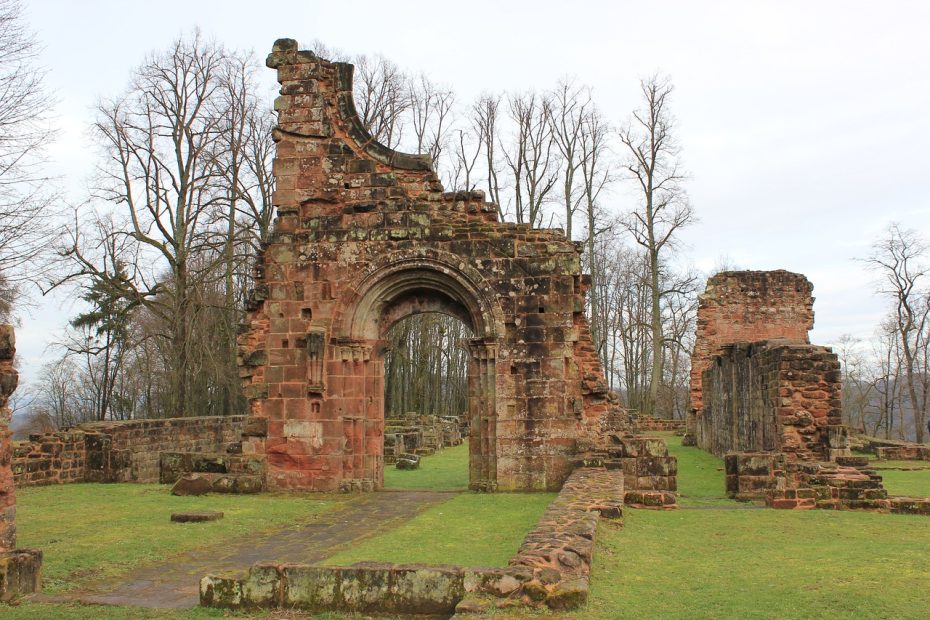
Remnant
This is about the remnant of Israelites who survived the assault by Assyrian forces. Thinking about it, there is still a remnant that remains in Israel.
This is a Bible Study. Have your own Bible handy to look up the references mentioned.
If you do not have a Bible, I invite you to go to BibleGateway.com or another online Bible.
20. “Remnant theology is interpreted precisely in these verses. Remnant theology has two sides. God disciplined the nation that leaned on Assyria for help until that nation turned back to God. This return had to be in truth, in loyal faithfulness.” [Max Anders and Trent C. Butler (2012). HOTC Vol. 15: Isaiah. B&H Publishing Group. Retrieved from https://read.lifeway.com]
21. “The remnant is defined as those people who ‘escape’ in 10:20 and as those who turn and rely on God in 10:21.” (Smith, Gary V. The New American Commentary, Volume 15a, Isaiah 1-39. [© Copyright 2007 B&H Publishing Group], 262)
22. “The remnant would not make the fundamental mistake made by Israel and its leaders of trusting human power rather than God.” (The Moody Bible Commentary, The Moody Bible Institute of Chicago, [Moody Publishers, Chicago, IL, 2014], 1026)
23. “The once numerous nation with a population as numerous as the sand by the sea would be reduced to a vestige of Israelites who had been allowed to survive the Lord’s destruction, overflowing with righteousness.” (Moody, 1026)
Protected
24. “This is a word of comfort to Judah that she shall be spared from captivity by the Assyrians.” (McGee, J. Vernon, Thru the Bible: Volume III. [Nashville: Thomas Nelson, 1983], 225)
25. “Knowing that a remnant will return (10:20-23), Isaiah encourages the people of Judah ‘not to fear’ the Assyrians.” (Smith, 263)
26. “Israel’s fate did not rest upon the mercy of Assyria, but upon the mercy of the Lord.” (Moody, 2026)
27. “Assyrian oppression would end as the Lord blessed His people and made it impossible for Assyria’s yoke to remain upon Israel.” (Moody, 1026)
28-32. “In verses 28-32, Isaiah traces the advance of the Assyrian army as it invaded Judah and marched towards Jerusalem.” (Wiersbe, Warren W, The Bible Exposition Commentary Old Testament Wisdom and Poetry. [Colorado Springs: David C Cook, 2004], 22)
This “section gives certain geographical locations, all of them north of Jerusalem, and it shows the route taken by Assyria, and of the future invader from the north.” (McGee, 225)
“The route is unusual in that the invaders leave the main road to avoid several strong cities in the area. The people in these cities run in panic as the army advances, and then the enemy taunts Jerusalem with fists in the air.” (Smith, 266”
33-34. “As the invaders reached Zion, the Lord intervened. His actions were described using the imagery of a forest being cut down.” (Moody, 1026)
“God intervenes and delivers His people. I believe this is a reference to the second coming of Christ to establish His kingdom.” (McGee, 225)
“God’s sovereignty over Assyria is demonstrated when the Mighty One humbles the proud king of Assyria and his army.” (Smith, 266)
References
Holman Christian Standard Bible (HCSB)
Copyright © 1999, 2000, 2002, 2003, 2009 by Holman Bible Publishers, Nashville Tennessee. All rights reserved.
New American Standard Bible (NASB)
New American Standard Bible®, Copyright © 1960, 1971, 1977, 1995, 2020 by The Lockman Foundation. All rights reserved.
New King James Version (NKJV)
Scripture taken from the New King James Version®. Copyright © 1982 by Thomas Nelson. Used by permission. All rights reserved.
In this article Scripture quotations taken from KJV.
Smith, Gary V. The New American Commentary, Volume 15a, Isaiah 1-39. © Copyright 2007 B&H Publishing Group
McGee, J. Vernon, Thru the Bible: Volume III. Nashville: Thomas Nelson, 1983
The Moody Bible Commentary, The Moody Bible Institute of Chicago, Moody Publishers, Chicago, IL, 2014
Wiersbe, Warren W, The Bible Exposition Commentary Old Testament Wisdom and Poetry. Colorado Springs: David C Cook, 2004
