Servant
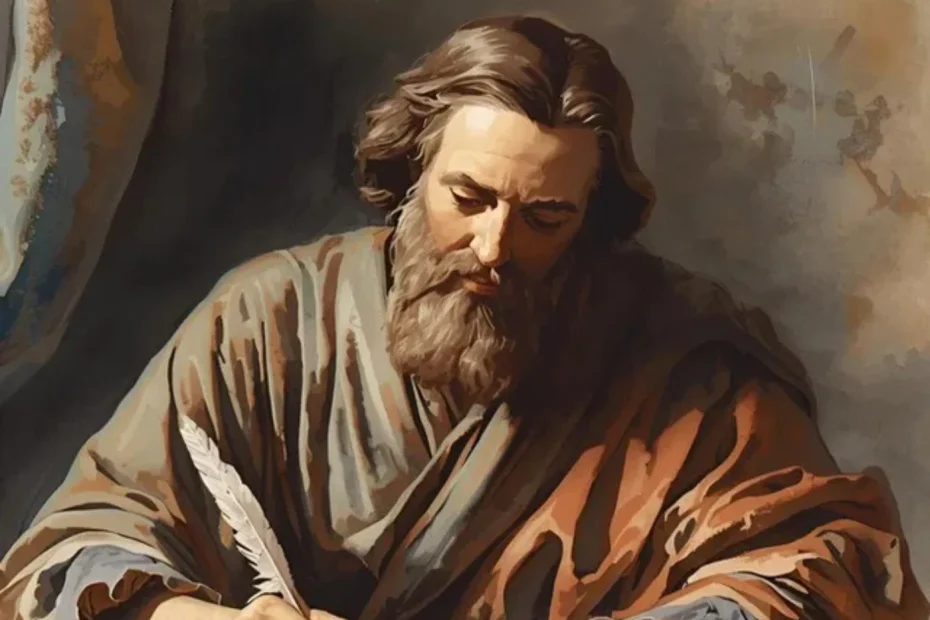
Titus was a servant for Jesus Christ. This is a letter to him from Paul letting him know what needed to be done for the church in Crete for the church to survive as a Christian Church.
This is a Bible Study. Have your own Bible handy to look up the references mentioned.
If you do not have a Bible, I invite you to go to BibleGateway.com or another online Bible.
Introduction:
Titus had his share of problems! The churches needed qualified leaders, and the various groups in the churches needed shepherding. By nature, the people of Crete were not easy to work with (Titus 2:11-15), and Titus needed extraordinary patience and love.” ((Wiersbe, Warren W, The Bible Exposition Commentary New Testament Volume 2. [Colorado Springs: David C Cook, 1989], 260)
1. “’A servant of God’—the word servant here actually means ‘bond slave.’ Paul says that he is a bond slave of God. We know from the Old Testament that a bond slave was one who chose to remain a slave of his master for life.” (McGee, J. Vernon, Thru the Bible: Volume V. [Nashville: Thomas Nelson, 1983], 484)
2.” The phrase in the hope of eternal life probably refers to the faith and knowledge that lead to godliness. The hope of eternal life is embraced by faith and motivates godly living.” (The Moody Bible Commentary, The Moody Bible Institute of Chicago, [Moody Publishers, Chicago, IL, 2014], 1914)
3. “God reveals His message through preaching. This Word of the gospel was committed to Paul (see 1 Tim. 1:11) and he committed it to Titus. This ministry was according to the commandment of God and was not given by men (Gal. 1:10-12).” (Wiersbe, 260)
4. “Paul’s instructions to Titus in this letter indicate his high regard for his coworker’s missionary zeal, as well as his considerable abilities to organize local churches for effective and solid Christian ministry.” (Lea, Thomas D., The New American Commentary Volume 34, [Broadman Press, © 1992], 273)
Elders
5. “Paul had left Titus in Crete to organize local churches with elders as spiritual leaders.” (McGee, 485)
6. “The qualifications presented require acceptable conditions in three basic areas of the prospective elder’s life, namely, (1) His marriage and family (v.6), (2) his personality and character traits (vv.7-8), and (3) his devotion to God’s Word and his commitment to teaching and protecting the true gospel message.” (Lea, 279)
7. “The word elder refers to the individual, and he was to be a mature person. Both physically and spiritually. A bishop was an overseer; he ruled the church. …But never was a church to have only one man made bishop or presbyter. There were always several.” (McGee, 486)
8. “A man is a good man because he has a good heart and surrounds himself with good things. It is difficult to believe that a dedicated servant of God would deliberately associate with things that are bad for him and his family.” (Wiersbe, 262)
9. “The qualified leader is righteous in God’s sight and devout in the eyes of others. Church leaders must continue holding fast to the truth even with others oppose it.” (Moody, 1914)
Vain Talkers
10. “Paul condemned those who taught that circumcision was necessary for salvation. Driven by rebellion and greed, they proclaimed a deceptive and empty message.” (Moody, 1914)
11. “The false teaching here, as found elsewhere in the New Testament, is the attempt to add ‘works’ in some form as a requirement for Christian salvation.” (Lea, 289)
12. “These men were not just ‘beasts,’ but ‘evil beasts’; they were not just ‘gluttons,’ but ‘lazy gluttons.’ They were celebrities, not servants. They ‘lived it up’ at the expense of their followers, and (true to human nature), their followers loved it! (Wiersbe, 262)
13. “Paul tells Titus that he is going to have to be a little more strict with the Cretans than he would with others because of their background and their very nature.” (McGee, 487)
14. “The actual influence of Gnostic beliefs on first-century Judaism remains questionable, however, and there is no compelling reason to interpret Paul’s description of the false teaching as anything less that completely Jewish in character. The actual content of these Jewish myths remains unknown.” (Lea, 291)
15. “By maintaining their steadfast position with regard to the necessity of ceremonial purity (which is in fact unacceptable to God), they effectively demonstrated that their minds were corrupted (i.e., their intelligence was corrupted), and their consciences were corrupted (i.e., they could no longer discern right and wrong.”) (Lea, 292)
16. “When Paul proclaimed God’s grace in the person and work of Jesus Christ, he was consistently confronted by those who perverted the true gospel by requiring a works righteousness.” (Lea, 293)
References
Holman Christian Standard Bible (HCSB)
Copyright © 1999, 2000, 2002, 2003, 2009 by Holman Bible Publishers, Nashville Tennessee. All rights reserved.
New American Standard Bible (NASB)
New American Standard Bible®, Copyright © 1960, 1971, 1977, 1995, 2020 by The Lockman Foundation. All rights reserved.
New King James Version (NKJV)
Scripture taken from the New King James Version®. Copyright © 1982 by Thomas Nelson. Used by permission. All rights reserved.
In this article Scripture quotations taken from KJV.
Lea, Thomas D., The New American Commentary Volume 34, Broadman Press, © 1992
McGee, J. Vernon, Thru the Bible: Volume V. Nashville: Thomas Nelson, 1983
The Moody Bible Commentary, The Moody Bible Institute of Chicago, Moody Publishers, Chicago, IL, 2014
Wiersbe, Warren W, The Bible Exposition Commentary New Testament Volume 2. Colorado Springs: David C Cook, 1989
