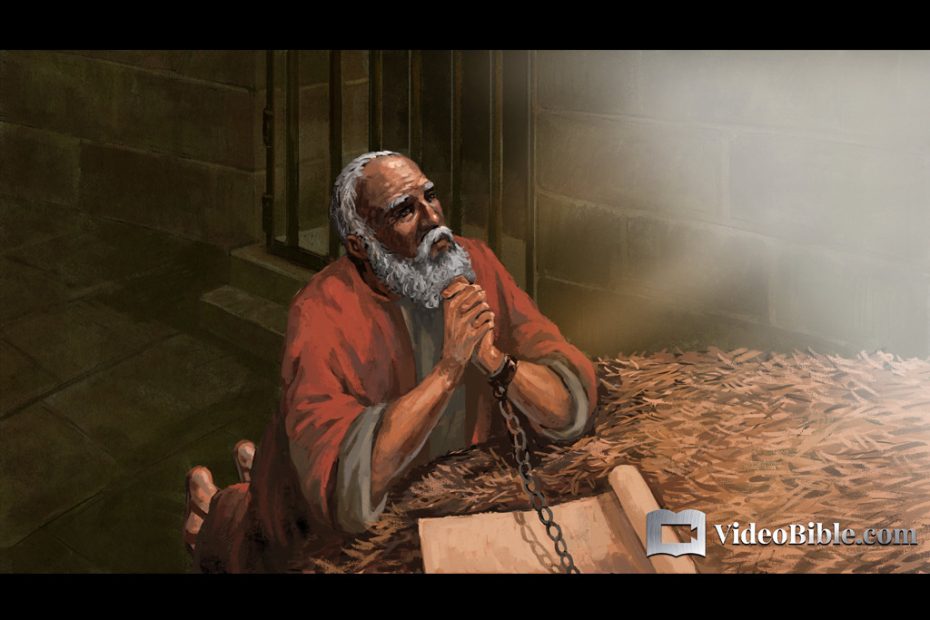
Paul
The letter to the Galatians was written by Paul. He was an apostle. He had a different relationship with Jesus from the other apostles.
This is a Bible Study. Have your own Bible handy to look up the references mentioned.
If you do not have a Bible, I invite you to go to BibleGateway.com or another online Bible.
1. “In the early days of the church, God called special men to do special tasks. Among them were the apostles. The word means ‘one who is sent with a commission.’” (Wiersbe, Warren W, The Bible Exposition Commentary New Testament Volume 1. [Colorado Springs: David C Cook, 1989], 682)
2. “Uniquely here, Paul’s letter is addressed to several churches. So it is a circular letter.” (The Moody Bible Commentary, The Moody Bible Institute of Chicago, [Moody Publishers, Chicago, IL, 2014], 1829)
3. “This is Paul’s formal greeting that he uses in most of his epistles. The word grace in this verse was the gentile form of greeting in that day, while peace was the religious greeting of the Jews.” (McGee, J. Vernon, Thru the Bible: Volume V. [Nashville: Thomas Nelson, 1983], 152)
4. “Christ ‘gave himself for our sins,’ Paul said, ‘to rescue [or deliver] us from the present evil age.’” (George, Timothy. The New American Commentary, Galatians. [© Copyright 1994, Broadman ^ Holman Publishers], 87)
5. “This is a moment wherein Paul stops to render praise to God.” (McGee, 152)
Different Gospel
6. “The Galatians were being influenced to move to a different gospel.…For Paul, a different gospel is not a Christian adjustment to be taken lightly, but a satanic distortion to be rejected.” (Moody, 1830)
7. “The Galatian believers were not simply ‘changing religions’ or ‘changing churches’ but were actually abandoning the very grace of God! To make matters worse, they were deserting the very God of Grace!” (Wiersbe, 683)
8. “Paul says that if an angel dared to declare any other message than the gospel, he would be dismissed with a strong invective.” (McGee, 154)
9. “Paul reminds the Galatians that they had in fact embraced the true gospel when he had preached it to them. A solid foundation had been laid in the missionary work of Paul and Barnabas.” (George, 99)
10. “The servant of God is constantly tempted to compromise in order to attract and please men.” (Wiersbe, 685)
Not From Man
11. “What Paul was arguing in Galatians was not that his gospel was different from that of the other apostles but rather that he had received it independently of them.” (George, 109)
12. The Judaizers “cast a shadow upon the validity of Paul’s authority as an apostle. Paul is going to take up this matter with them and show that his apostleship rests upon the fact that he was called directly by the revelation of Jesus Christ.” (McGee, 155)
13. “Since Paul was intimately familiar with Judaism and also fully committed and successful in it, he had no reason to give it up.” (Moody, 1830)
14. “His reputation as a zealous persecutor of ‘the sect of the Nazarenes’ became known far and wide (see Acts 9:13-14).” (Wiersbe, 686)
Apostle
15. “Paul’s purpose was to amplify what he had said already in v. 1, namely, that his apostolic work was neither ‘from men nor by man, but by Jesus Christ.’” (George, 117)
16. Paul asserted “his independence from apostolic input as to the content of the gospel.” (Moody, 1831)
17. “Paul did ministry in Arabia, and then served for three years in Damascus (on edge of Arabia). He had to flee Damascus due to persecution (2 Corinthians 11:32-33).” (Moody, 1831)
18. Three years after the conversion of Paul he went to visit Peter.
19. “Paul claimed that he saw none of the other apostles except James, the brother of Jesus.” (George, 127)
20. “Paul says here that he didn’t get the gospel from anyone else. Paul also says he does not lie.” (McGee, 156)
21. “The record in Acts explains why: His life was in danger in Jerusalem, just as it had been in Damascus (Acts 9:28-30).” (Wierse, 689)
“In Verses 21-24 Paul outlines his first years after his conversion.” (McGee, 156)
22. Paul “was far away and had no interaction with the other apostles and believers in Judea. As a result, he remained unknown by sight to them.” (Moody, 1831)
23. “Since churches in Judea were glorifying God because of Paul’s transformation, it was clear that his gospel was implicitly affirmed.” (Moody, 1831)
References
Holman Christian Standard Bible (HCSB)
Copyright © 1999, 2000, 2002, 2003, 2009 by Holman Bible Publishers, Nashville Tennessee. All rights reserved.
New American Standard Bible (NASB)
New American Standard Bible®, Copyright © 1960, 1971, 1977, 1995, 2020 by The Lockman Foundation. All rights reserved.
New King James Version (NKJV)
Scripture taken from the New King James Version®. Copyright © 1982 by Thomas Nelson. Used by permission. All rights reserved.
In this article Scripture quotations taken from KJV.
George, Timothy. The New American Commentary, Galatians. © Copyright 1994, Broadman ^ Holman Publishers
McGee, J. Vernon, Thru the Bible: Volume V. Nashville: Thomas Nelson, 1983
The Moody Bible Commentary, The Moody Bible Institute of Chicago, Moody Publishers, Chicago, IL, 2014
Wiersbe, Warren W, The Bible Exposition Commentary New Testament Volume 1. Colorado Springs: David C Cook, 1989
